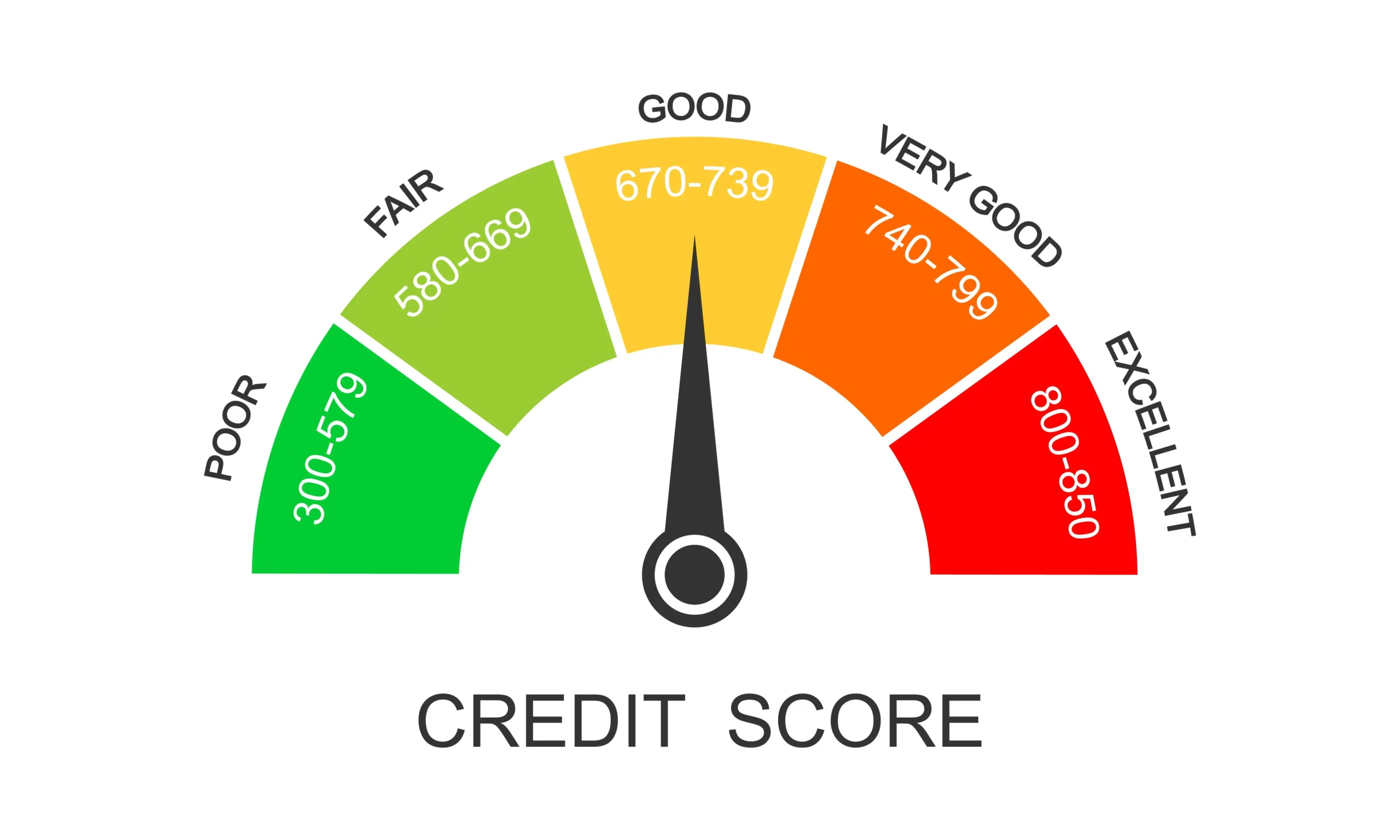
Your credit score plays a major role in your financial life. Whether you are applying for a credit card, a personal loan, a mortgage, or even renting a home, your credit score helps lenders decide how risky or reliable you are as a borrower.
In 2025, understanding credit score ranges is more important than ever. This guide explains what a credit score is, how ranges work, what qualifies as a good credit score, and how your score affects real-life financial decisions.
What Is a Credit Score?
A credit score is a numerical representation of your creditworthiness. It summarizes how responsibly you have managed borrowed money in the past.
Lenders use this score to:
- Approve or deny credit applications
- Decide interest rates
- Set credit limits
Credit scores are calculated using information from your credit report, which includes payment history, debt levels, credit age, and more.
Common Credit Score Ranges in the USA
Most lenders in the United States use credit scoring models that fall within a 300 to 850 range.
Credit Score Range Breakdown
| Credit Score Range | Category | Meaning |
|---|---|---|
| 300 – 579 | Poor | High risk to lenders |
| 580 – 669 | Fair | Limited borrowing options |
| 670 – 739 | Good | Considered reliable |
| 740 – 799 | Very Good | Strong credit profile |
| 800 – 850 | Excellent | Lowest risk category |
What Is Considered a Good Credit Score?
A good credit score generally falls between 670 and 739.
At this level, lenders view you as a responsible borrower. You are more likely to:
- Get approved for loans
- Receive competitive interest rates
- Qualify for higher credit limits
While “good” is a solid position, moving into the very good or excellent range can unlock even better financial benefits.
Why Credit Score Ranges Matter
Credit score ranges help lenders quickly assess risk. Even a small difference in score can impact:
- Loan approval decisions
- Interest rates
- Insurance premiums
- Rental applications
For example, a borrower with a score of 760 may receive significantly lower interest rates compared to someone with a score of 660.
How Credit Scores Are Calculated
Your credit score is calculated using several key factors. Each plays a different role in determining your final score.
Credit Score Factors Breakdown
| Factor | Approximate Impact |
|---|---|
| Payment History | 35% |
| Credit Utilization | 30% |
| Length of Credit History | 15% |
| Credit Mix | 10% |
| New Credit | 10% |
Understanding these factors helps you focus on actions that improve your score over time.
Payment History: The Most Important Factor
Payment history reflects whether you pay your bills on time.
Late payments, missed payments, or defaults can significantly lower your score. Consistent on-time payments build trust with lenders and strengthen your credit profile.
Credit Utilization: How Much You Owe Matters
Credit utilization measures how much of your available credit you are using.
Example:
- Credit limit: $10,000
- Balance: $3,000
- Utilization: 30%
Lower utilization generally leads to better credit scores. Many experts recommend keeping usage below 30%.
Length of Credit History
This factor considers:
- How long your accounts have been open
- The age of your oldest account
A longer credit history shows stability and responsible credit management.
Credit Mix: Types of Credit You Use
A healthy credit mix may include:
- Credit cards
- Auto loans
- Mortgages
- Personal loans
While not required, having different types of credit can slightly improve your score.
New Credit and Inquiries
Applying for new credit results in a hard inquiry, which may temporarily lower your score.
Opening too many new accounts in a short period can signal risk to lenders.
How Credit Score Ranges Affect Loans
Loan Approval Chances by Score Range
| Score Range | Approval Likelihood |
|---|---|
| Poor | Very low |
| Fair | Limited |
| Good | High |
| Very Good | Very high |
| Excellent | Almost guaranteed |
Higher scores lead to better loan terms and lower interest costs.
Credit Scores and Interest Rates
Interest rates are directly linked to credit score ranges.
| Credit Score | Interest Rate Impact |
|---|---|
| Poor | Highest rates |
| Fair | Above average rates |
| Good | Competitive rates |
| Excellent | Lowest available rates |
Over time, even a small rate difference can save thousands of dollars.
How Long Does It Take to Improve a Credit Score?
Improving a credit score is not instant, but consistent habits can lead to steady improvement.
Typical Improvement Timeline
| Action | Time to See Results |
|---|---|
| On-time payments | 1–3 months |
| Lowering balances | 1–2 months |
| Correcting errors | 30–60 days |
| Building history | Several months to years |
Patience and consistency are key.
Common Myths About Credit Scores
Myth 1: Checking your score lowers it
Checking your own credit score does not affect your score.
Myth 2: Carrying a balance helps
Paying interest is not required to build credit.
Myth 3: Income affects your score
Credit scores are based on credit behavior, not income level.
Credit Score vs Credit Report
| Credit Score | Credit Report |
|---|---|
| Numerical value | Detailed credit history |
| Quick snapshot | Full financial record |
| Used for decisions | Used for analysis |
Both work together but serve different purposes.
Who Uses Credit Scores?
Credit scores are used by:
- Banks and lenders
- Credit card companies
- Insurance providers
- Landlords
- Utility providers
Your score impacts more areas of life than many people realize.
Maintaining a Good Credit Score
To stay within a good or excellent range:
- Pay bills on time
- Keep balances low
- Avoid unnecessary new accounts
- Review credit reports regularly
Consistency is more important than quick fixes.
Frequently Asked Questions (FAQs)
What credit score is considered good in the USA?
A score between 670 and 739 is generally considered good.
Is 700 a good credit score?
Yes, a score of 700 is solid and qualifies for many financial products.
Can I get a loan with a fair credit score?
Yes, but options may be limited and interest rates higher.
Does closing a credit card hurt my score?
It can affect credit utilization and account age, which may impact your score.
How often does my credit score update?
Most scores update monthly based on reported activity.
Is an excellent credit score necessary?
No, but it provides the best interest rates and approval chances.
Final Thoughts
Understanding credit score ranges empowers you to make smarter financial decisions. A good credit score opens doors to better borrowing options, lower costs, and greater financial flexibility.
By managing credit responsibly and staying informed, you can maintain or improve your score over time—without stress or unnecessary risk.